Smorgasburg LA
ROW DTLA, Downtown Los Angeles
Weekly outdoor food market featuring 100+ independent food vendors from across LA County. The market rotates vendors seasonally to spotlight emerging local food businesses.
Los Angeles, a sprawling metropolis, exemplifies the profound community effect of local commerce. Small businesses, comprising over 90% of all businesses in Los Angeles County, generate significant economic activity. These enterprises collectively employ more than 3.8 million people, fueling local households and supporting neighborhood stability. Each dollar spent at a local, independent Los Angeles business recirculates through the local economy approximately 2.5 times more than money spent at a national chain. This financial multiplier strengthens community infrastructure, funds public services, and fosters local job creation across 88 distinct cities within the county.
The city's diverse commercial landscape, from the historic markets of Grand Central Market to the artisan shops of Abbot Kinney Boulevard, showcases distinct economic ripples. For instance, a single independent restaurant in Silver Lake sources ingredients from local farms, employs neighborhood residents, and pays local taxes. This network of transactions supports multiple other local businesses and individuals. Los Angeles's 2023 retail sales exceeded $100 billion, a substantial portion directly attributed to consumer choices supporting local establishments. These choices build resilient communities, creating a tangible, measurable impact on the city's social and economic fabric.

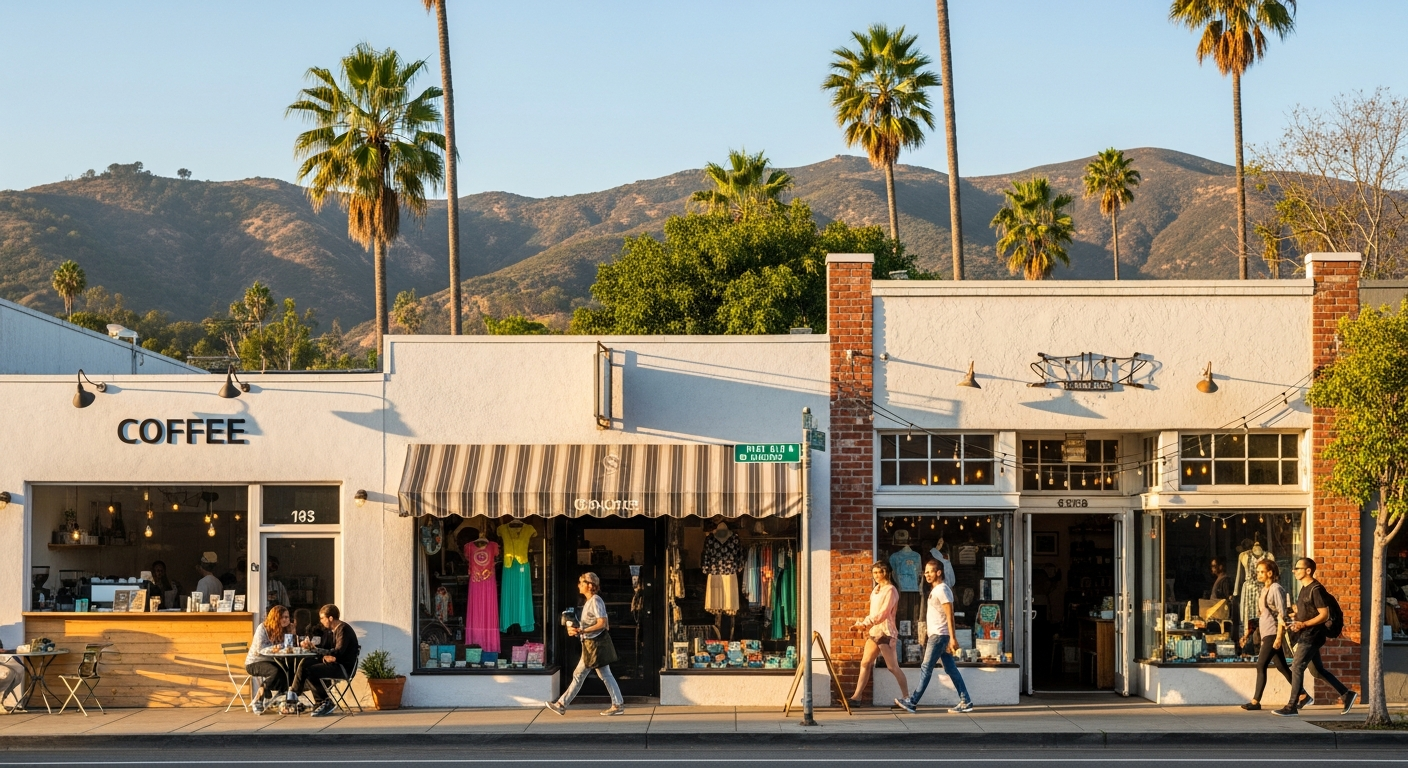
An east-side neighborhood anchored by Sunset Junction, where independent coffee roasters, vintage shops, and farm-to-table restaurants line Sunset Boulevard and Rowena Avenue. The area's 1920s architecture houses creative businesses and design studios.
A 30,000-square-foot food hall in downtown LA operating since 1917. Over 40 independent food vendors serve dishes from Oaxacan mole to Thai boat noodles, representing the city's culinary diversity under one roof.
A two-block stretch along Sawtelle Boulevard on the Westside featuring independently owned Japanese restaurants, ramen shops, mochi bakeries, and specialty grocery stores serving the neighborhood since the 1920s.
A former industrial zone east of downtown converted into galleries, independent restaurants, craft breweries, and creative studios. The neighborhood's warehouse architecture now houses over 100 independently owned businesses.
A northeast LA neighborhood along Figueroa Street and York Boulevard where independent bookstores, coffee shops, vintage stores, and restaurants occupy early 20th-century commercial buildings.
Venice's two commercial corridors serve different audiences. The boardwalk draws tourists with independent vendors and street performers. Abbot Kinney Boulevard hosts upscale independent boutiques, restaurants, and design shops ranked among the best shopping streets in America.
ROW DTLA, Downtown Los Angeles
Weekly outdoor food market featuring 100+ independent food vendors from across LA County. The market rotates vendors seasonally to spotlight emerging local food businesses.
Various routes across Los Angeles
Open streets event that closes major boulevards to car traffic, allowing residents to walk, bike, and discover businesses along the route. Each event covers 6-10 miles and passes hundreds of independent shops and restaurants.
Sunset Triangle Plaza, Silver Lake
Weekly artisan market in Silver Lake featuring local makers, vintage dealers, and independent food vendors. The market operates year-round in Sunset Triangle Plaza.
Pasadena Rose Bowl
Annual celebration of LA's street food culture featuring 80+ food trucks and vendors. The festival highlights independent operators who build businesses from mobile kitchens.
Abbot Kinney Blvd, Venice
Annual street festival along Venice's Abbot Kinney Boulevard featuring independent retailers, restaurants, live music, and local artists. Over 50,000 attendees visit the mile-long stretch.
Local purchasing directly shapes the unique character and economic vitality of Los Angeles neighborhoods. Spending at a family-owned bookstore in Larchmont Village, for example, funds local employment and supports community literacy programs. A purchase from a small business in Boyle Heights often recirculates within the immediate community, bolstering other local enterprises and preserving cultural heritage. These transactions collectively contribute to neighborhood-specific economic multipliers, fostering distinct identities. Silver Lake's independent boutiques and cafes help maintain its artistic community, preventing displacement and creating a vibrant, resident-supported ecosystem. This localized investment strengthens social cohesion and economic independence.
Supporting Los Angeles's independent businesses generates a significantly higher community effect compared to corporate chains. Local businesses recirculate an estimated 45% of their revenue within the local economy, while national chains recirculate about 15%. This higher multiplier translates directly into more local jobs, with small businesses creating 63% of net new jobs nationwide. Local enterprises also contribute a larger share of property and sales taxes per square foot, directly funding public services such as schools, parks, and infrastructure projects across Los Angeles County. These financial contributions build stronger local economies and more self-sufficient communities.
Los Angeles's food and beverage sector, alongside its creative arts and local service industries, demonstrates particularly significant ripple effects for community development. Independent restaurants and cafes often source ingredients from local farms and purveyors, supporting regional agriculture and food production. This local supply chain creates multiple touchpoints for economic activity. Similarly, small businesses in the arts and entertainment sector, including independent galleries and theaters, employ local artists and staff, attracting cultural tourism and enhancing neighborhood vibrancy. Service-based businesses, such as barbershops and dry cleaners, provide essential community amenities, keeping consumer dollars circulating directly within specific neighborhoods. These sectors foster interconnected local economies.